
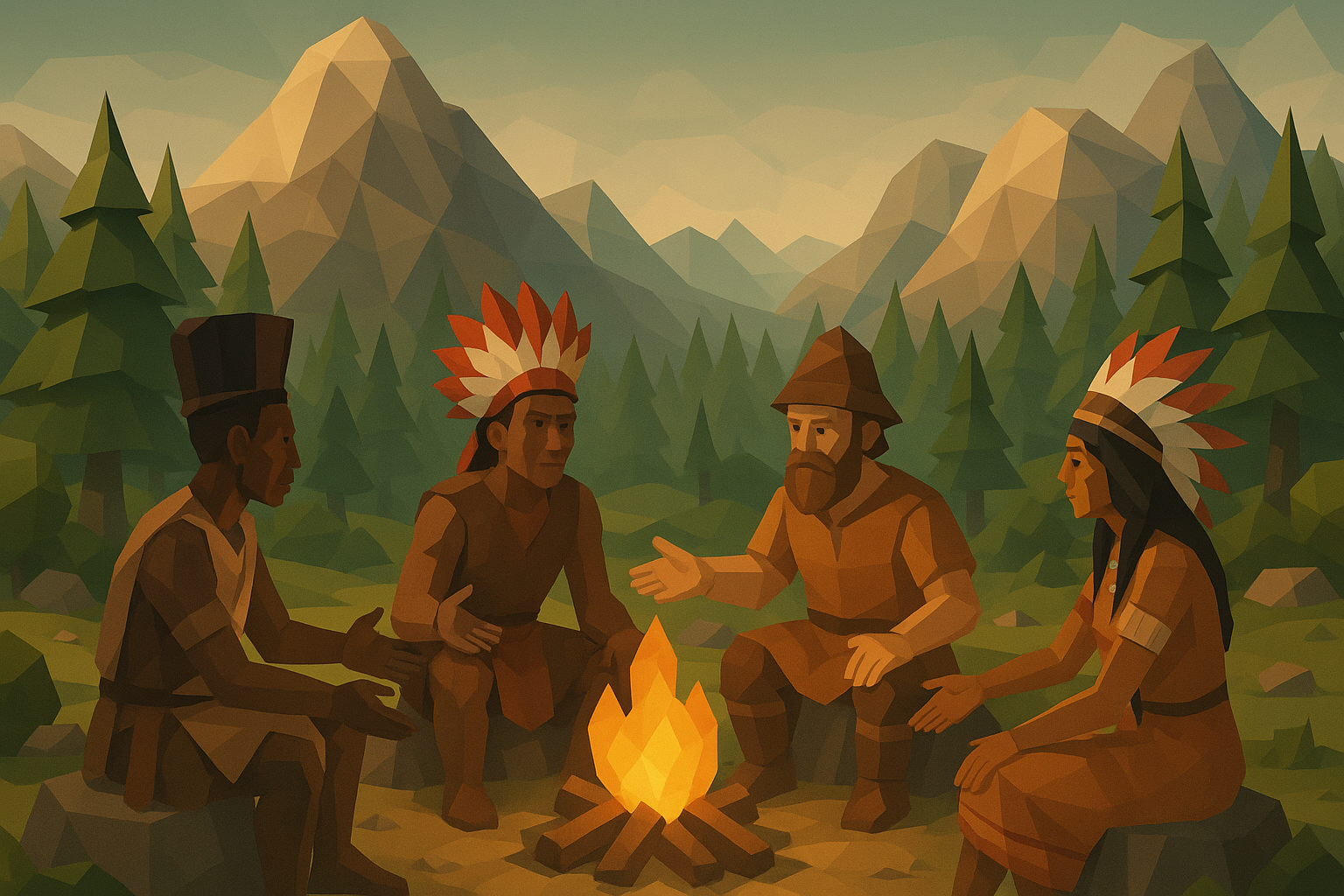
In the ever-evolving world of strategy gaming, Triberion offers a fresh perspective for fans of the 4X genre. While the game shares its roots with classics like Civilization, it brings to the table a notable twist—its unique low-poly aesthetic combined with an emphasis on cultural diversity and strategic depth.
What sets Triberion apart from other 4X games is not just its visual style but the nuanced approach it takes toward balancing multiple paths to victory. Players are tasked with guiding their chosen tribe through the complexities of exploration, expansion, and evolution, all while staying true to their cultural identity. This emphasis on balance is not just a design choice; it’s essential to mastering the game.
Beyond Military Might: The Alternative Paths
Traditional 4X games often focus heavily on military conquest as the primary mode of success. In Triberion, however, military is but one of four equally viable paths to victory. If war isn’t your forte, you might channel your efforts into building a thriving economy through the Trade path, weaving intricate diplomatic alliances, or strengthening your tribe’s Cultural heritage. Each path requires a different set of strategies and resources, encouraging players to adapt and refine their tactics continuously.
Cultural Significance and Diversity
Another compelling aspect of Triberion is its diverse roster of 36 tribes, each with its unique quirks and units. This diversity is reflected in how players approach each game. Not only does it provide replayability, but it also fosters an appreciation for historical and cultural nuances. In times of global homogenization, the game’s focus on distinct cultural identities serves as a rich, educational experience.
The game’s procedural generation of maps creates ever-changing landscapes that are more than just backdrops—they are dynamic environments that impact how you play. Exploring these varied terrains not only requires strategic planning but also a deep understanding of how to deploy resources effectively. As you delve into the game, the decision to settle near a river could as easily make or break your fledgling civilization.
Strategic Depth and Resource Management
Resource management in Triberion goes beyond mere accumulation. It demands strategic planning tailored to the unpredictability of each game map. For example, a tribe rich in forests might focus on lumber and trade, while another with abundant mineral resources might prioritize technology and development. When you play triberion, these considerations become pivotal, as your tribe’s strengths should dictate your decisions on alliances, expansions, and conflicts.
This need for strategic resource allocation is mirrored in the game’s technological tree, where advancements unlock new unit types and infrastructure enhancements. The path you choose here can significantly influence your gameplay experience, emphasizing the importance of a well-rounded strategy over brute force.
The Art of Diplomacy
Diplomacy in Triberion isn’t merely about forming alliances; it’s an art that involves negotiation, persuasion, and sometimes deception. Players must navigate complex political landscapes, understanding each tribe’s motives and goals. Securing a diplomatic victory requires a keen awareness of the intricacies of tribal relationships and a deft hand in maintaining alliances while undermining rivals.
In essence, Triberion presents more than just a game; it’s an exercise in striking the perfect balance between aggression, collaboration, and cultural introspection. For strategy enthusiasts seeking a thoughtful, immersive, and visually charming experience, Triberion offers a challenging yet rewarding journey.